

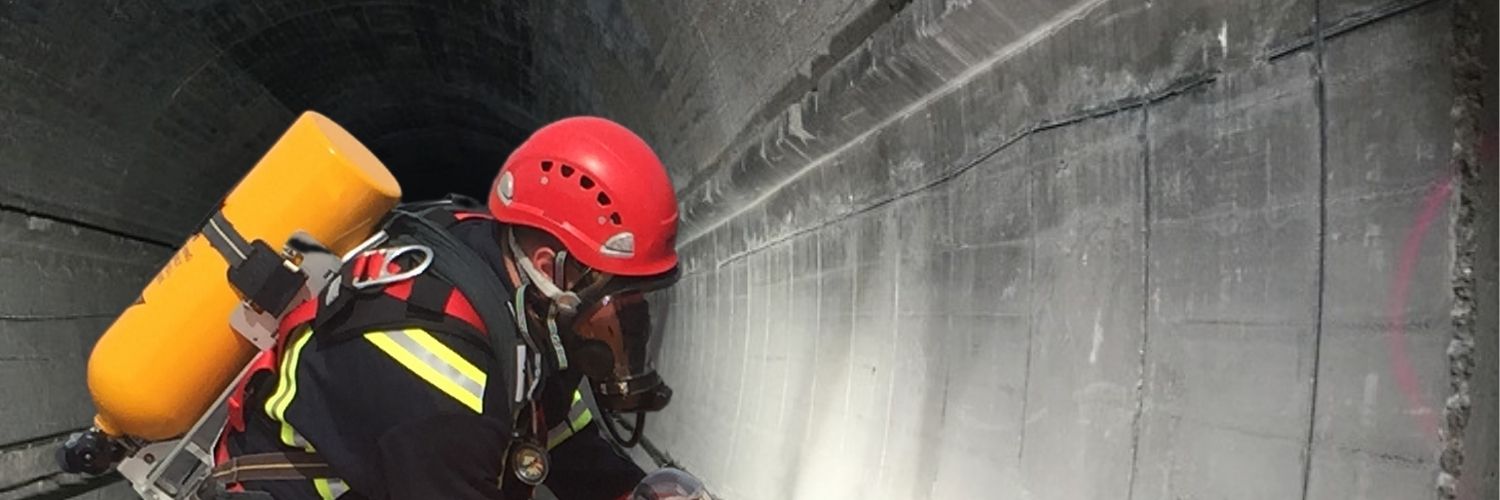
According to the National Institute for Occupational Safety & Health (NIOSH), over one-third of confined space incidents involve multiple fatalities. Proper confined space planning can reduce the chances of this happening, provide a safer work environment for workers, and make it easier to carry out rescues. Read on as we discuss the necessary elements to consider when planning tasks involving confined spaces and how this impacts your rescue efforts.
What is a Confined Space?
So what is a confined space, and why does that distinction matter for anyone planning safe work?
A confined space is any area that:
- Is big enough for a worker to enter and perform tasks,
- Has limited or restricted entry or exit points (think tanks, vaults, silos, or pits),
- And it isn’t meant to be occupied continuously.
These spaces become especially concerning when they cross into the “permit-required” category. According to OSHA standards, a permit-required confined space (PRCS) is one that harbors serious safety hazards, such as:
- Potential for a hazardous atmosphere,
- Materials that could engulf workers,
- Configurations that might trap or asphyxiate,
- Or other recognized health or safety threats.
Here’s a helpful memory jog: All permit-required confined spaces are confined spaces, but not all confined spaces require a permit. The difference centers on the presence of hazards that demand stricter entry procedures and rescue planning.
Inherent vs. Introduced Hazards
Confined spaces can be dangerous for two main reasons:
- Inherent hazards: These are built into the space itself; think low oxygen, toxic gases, tight turns, or poor lighting.
- Introduced hazards: These arise from the work being performed or from gear brought inside, such as fumes from welding, chemical spills, or new fall risks created by opening a hatch.
It’s essential to keep both hazard types in mind during planning. Inherent dangers may be easier to predict but harder to control, while introduced hazards depend on the specific job and equipment used, and can sometimes catch us by surprise.
Being aware of these hazards up front is the first step toward keeping every worker safe during confined space projects.
Identify Potential Hazards and Risks
All confined spaces pose unique hazards and risks that require specialized planning. It would help if you also enforced controls that promote worker safety. The first step is to identify the dangers and risks associated with the particular confined space you are dealing with.
It’s also important to recognize that while all permit-required confined spaces (PRCS) are confined spaces, not every confined space is classified as permit-required. The key distinction is that a PRCS contains one or more hazards that could pose a serious risk to those entering and, as a result, demands specific procedures and precautions to ensure worker safety.
As per OSHA, a permit-required confined space (PRCS) usually has one or more of the following features that can pose a risk:
- It has or may have the potential to have a hazardous atmosphere
- The area contains material that could potentially engulf entrants
- It is built in a way that could trap an entrant or asphyxiate them
- The space presents other recognized severe health or safety hazards
Understanding these criteria helps you determine which spaces require additional controls and planning before entry. Identifying whether a space is permit-required is a foundational step in protecting workers and ensuring that proper safety measures are in place.
Understanding Inherent vs. Introduced Hazards in Confined Spaces
When looking at confined space safety, it’s important to distinguish between the two main categories of hazards you might encounter: inherent hazards and introduced hazards.
Inherent hazards are those dangers that exist as part of the confined space itself; essentially, they come with the territory. For example, a space might naturally have low oxygen levels or harmful gases, or be designed in a way that could easily trap someone or make it difficult to exit in an emergency. These issues don’t depend on what’s happening in the space; they’re built in from the start. Think of spots with tight entry points, poor ventilation, or areas prone to sudden engulfment from loose materials.
On the other hand, introduced hazards are risks that arise from the work being done or the materials brought into the space. These are often a direct result of the job at hand, such as welding that produces hazardous fumes, the use of chemicals that create dangerous vapors, or equipment that introduces moving parts or sharp edges into the environment. Unlike inherent hazards, these may change from day to day or job to job, making thorough risk assessments and work controls essential for every entry.
By understanding which hazards are inherent to the space and which are introduced by the work itself, you can better tailor your safety controls, using proper ventilation, protective equipment, or work procedures to minimize the risk to everyone involved.
Once you identify the hazards and risks, you can implement safety measures to minimize the risks associated with entering a confined space.
Review All Spaces With the Potential of Being a Confined Space
It’s essential to conduct a comprehensive pre-entry risk/hazard assessment that reviews all spaces within a facility and determines whether they have the potential to be confined spaces. Next, you can evaluate whether to classify these spaces as a PRCS. Your assessment should be appropriately structured and documented. It should record all potential hazards. These include non-atmospheric risks, such as pneumatic, electrical, slip-and-fall, and trip hazards.
You can use this information to develop a plan for safely entering the space.
Develop Plans for Carrying Out Rescues
Understanding the definition of a confined space and deciding how to conduct a safe entry is not enough. Effective confined space planning requires you to develop rescue plans, as well. The best companies are proactive in this regard. They spend an equal amount of time planning entry in a confined space, defining rescue efforts, and conducting an entry.
They understand that even if a space is not particularly hazardous under OSHA guidelines, they must be prepared if things go sideways. Such companies understand things can go wrong very quickly when working in confined spaces and plan to deal with adverse situations.
Decide on Rescue Team Requirements
Assessing whether you need an on-site rescue team or if you can rely on external emergency services is a critical part of confined space planning. Start by considering the specific hazards present, high-risk environments with hazardous atmospheres, potential for engulfment, complex layouts, or limited access points, which often require immediate rescue capabilities. In these scenarios, time is of the essence, and having a trained on-site rescue team with the right equipment can make a life-saving difference.
For lower-risk entries or locations with reliable, rapid emergency response from local fire departments or specialized agencies, external rescue teams may be an option. However, you should never assume external teams are always ready or equipped for confined space rescues. Coordinate in advance to confirm their capabilities and response times.
When determining your approach, ask:
- How quickly would rescuers need to access the space in an emergency?
- Are the hazards likely to incapacitate a worker within minutes?
- Do local emergency responders have the training and equipment for confined space rescue?
- Does your site have unique features or access challenges?
Based on your risk assessment, document the decision, including the required rescue team size, equipment, and training levels, ensuring everything aligns with OSHA guidelines and best practices from organizations such as NIOSH and NFPA. Remember, a practical, site-specific rescue plan can save valuable minutes and lives in an emergency. The best companies are proactive in this regard. They spend equal time planning an entry into a confined space, defining rescue efforts, and conducting the entry.
Reference Industry Standards in Rescue Planning
When developing confined space rescue plans, it’s smart to look beyond OSHA’s baseline requirements. While OSHA’s Confined Space Standard (29 CFR 1910.146) sets the legal minimum, it doesn’t offer much detail on how to put those rules into action. That’s where industry consensus standards like ANSI/ASSE Z117.1-2016 and NFPA 350 come in, and why proactive companies turn to them.
These standards provide detailed guidance on practical aspects of confined space safety, including:
- Hazard identification and thorough risk evaluation
- Step-by-step pre-entry procedures and documentation
- Entry permits tailored to specific hazards
- Ventilation protocols to maintain a safe atmosphere
- Personal protective equipment specifications
- Comprehensive rescue planning, including drills and emergency procedures
- Communication methods for safe operation and response
Think of OSHA as setting the ground rules, while ANSI and NFPA show you how to play the game safely and effectively. By referencing these standards, you’ll find actionable recommendations and best practices that fill the gaps left by the law, helping you plan not only for compliance but for true safety leadership.
They understand that even if a space is not particularly hazardous under OSHA guidelines, they must be prepared if things go sideways. Such companies understand things can go wrong very quickly when working in confined spaces and plan to deal with adverse situations.
They understand that even if a space is not particularly hazardous under OSHA guidelines, they must be prepared if things go sideways. Such companies understand things can go wrong very quickly when working in confined spaces and plan to deal with adverse situations.
Train and Prepare Your Rescue Team
Thorough training is a cornerstone of effective confined space preparation. Every member of your rescue team should be proficient in the latest rescue techniques and familiar with the equipment they’ll use in an emergency. Comprehensive training should include:
- Hands-on instruction in the use of personal protective equipment (PPE), atmospheric monitoring devices, retrieval systems, and communication tools.
- Regular rescue drills and simulated scenarios that reflect the unique hazards present in your facility.
- Updates and refreshers whenever procedures, regulations (such as those from OSHA and NIOSH), or equipment change.
Consistent, realistic practice prepares your team to respond swiftly and confidently in the event of a confined space incident, reducing the risk of injury and increasing the likelihood of a successful outcome.
How Often Should You Review and Update Your Confined Space Rescue Plan?
A confined space rescue plan isn’t a “set it and forget it” document. It’s vital to revisit your plan regularly to ensure it’s up to date and truly effective. Best practice suggests reviewing your rescue plans at least annually, but you should also update them whenever:
- There’s a change to the confined space itself (new equipment, altered entry points, etc.)
- New hazards are identified during inspections or incident investigations
- Procedures or regulations are updated (for example, after revised OSHA guidelines)
- Personnel changes affect those responsible for entry or rescue
Regularly testing and refining your plan keeps your team prepared and ensures compliance with evolving safety standards from organizations like OSHA and NIOSH. This ongoing commitment helps catch potential gaps before they become real problems, making your workplace safer and your emergency response more effective.
Determine the Right Size for Your Rescue Team
Selecting the ideal size for your confined space rescue team isn’t a one-size-fits-all decision. Instead, it should be based on the specific hazards present, the complexity of the space, and the types of tasks being conducted. Before assigning roles, evaluate the following:
- The physical size and layout of the confined space
- The number of workers entering and the potential victims who may need to be assisted
- Types of hazards identified during your risk assessment (atmospheric, engulfment, entrapment, etc.)
- The nature and difficulty of the rescue scenarios that could arise
Consider that more hazardous or complex spaces may require additional rescuers for standby, equipment management, and communication roles. Reviewing industry standards set by organizations like OSHA and the National Fire Protection Association (NFPA) can also provide valuable benchmarks.
Ultimately, your rescue team should be equipped with enough members, each with defined roles. They must be able to safely and efficiently respond to emergencies under all circumstances identified during your planning process. This proactive approach ensures that when seconds count, your team can act decisively and effectively.
Implement an Effective Alarm and Response System
An essential part of any confined space rescue plan is establishing a reliable alarm and response system. This isn’t just a formality; it’s a critical safeguard that ensures everyone can act quickly if something goes wrong inside a confined space.
A well-designed alarm system serves several purposes:
- It enables workers to alert others the moment an emergency arises, whether it’s a medical event, a hazardous atmosphere, or equipment failure.
- It facilitates immediate communication with both internal teams and off-site emergency responders, reducing the response time when every second counts.
- It helps coordinate rescue efforts efficiently, ensuring that the right people are notified and that help arrives without delay.
Ultimately, the alarm and response system isn’t just about compliance. The response system is a proactive measure that can mean the difference between a controlled rescue and multiple casualties. Be sure your plan includes clear communication protocols, reliable signaling methods, and regular drills, so your team is ready to respond at a moment’s notice.
Get In Touch With DCS Rescue
Proper confined space planning can save lives, enable a safer working environment, and help you prepare for challenging situations. If you don’t have an internal team for confined space planning, let DCS help with:
- Identifying confined spaces in your facilities
- Determining the risks and hazards associated with these spaces
- Developing rescue plans
- Ensuring continued safety Cont
We have a qualified team of confined space rescue experts. Contact DCS today.