

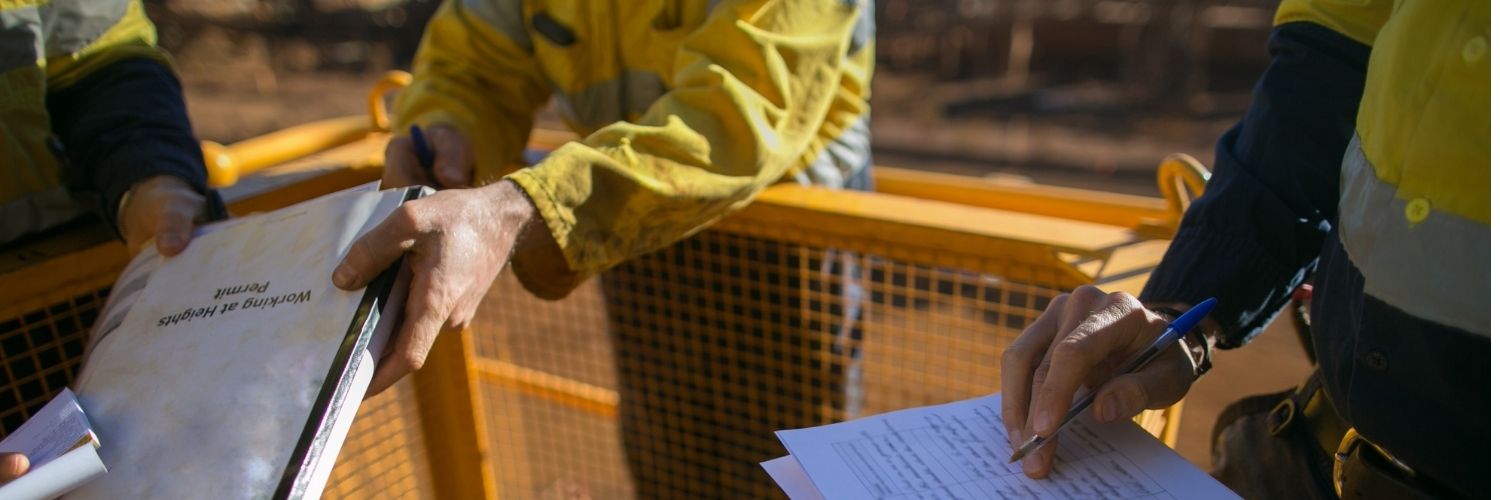
What Is an EHS Professional?
An EHS (Environmental Health and Safety) professional leads workplace safety, environmental compliance, and health risk management. This role identifies hazards, enforces regulations, and builds systems that prevent incidents. An EHS manager adds leadership responsibility, guiding strategy, teams, and performance across an organization. Both environmental safety professional roles protect people, reduce liability, and ensure compliance with standards like OSHA and ISO frameworks.
Profile of an EHS Professional
An EHS professional operates at the intersection of safety, compliance, and operations. This role translates regulations into daily practice. It turns risk into measurable controls. It aligns business goals with safe, sustainable outcomes.
Companies rely on EHS expertise to prevent injuries, avoid fines, and maintain operational continuity. Strong EHS programs also improve culture, retention, and brand trust.
EHS Professional vs EHS Manager: Key Differences
An EHS professional executes and supports. An EHS manager leads and scales.
EHS Professional
- Conducts audits, inspections, and risk assessments
- Delivers safety training and incident investigations
- Maintains documentation and compliance records
EHS Manager
- Defines strategy and policy
- Oversees teams and cross-functional initiatives
- Tracks KPIs and drives continuous improvement
- Reports to executive leadership
Both safety professional roles require technical knowledge. The manager role adds leadership, budgeting, and influence.
Core Responsibilities of an EHS Professional
Hazard Identification and Risk Assessment
An EHS professional evaluates physical, chemical, and ergonomic risks. They use structured methods to prioritize hazards. They recommend controls that reduce exposure and probability.
Regulatory Compliance
They interpret and apply standards set by agencies such as OSHA and align processes with frameworks such as ISO 14001 and ISO 45001. They ensure audits pass and documentation stays current.
Incident Investigation
They analyze incidents to identify root causes, move beyond blame, and focus on systems. They implement corrective actions that prevent recurrence.
Safety Training and Culture
They deliver training that changes behavior and builds awareness across all levels. This helps reinforce accountability through clear communication.
Environmental Management
They manage waste, emissions, and resource use to monitor environmental impact. They ensure compliance with environmental regulations.
Reporting and Documentation
They maintain accurate records and produce reports that inform leadership decisions. They connect safety data to business outcomes.
Daily Work: What an EHS Professional Actually Does
A typical day blends fieldwork with analysis.
- Walk the floor to spot hazards
- Meet with operations teams to review risks
- Investigate near misses or incidents
- Update compliance records and reports
- Deliver short, targeted training sessions
- Review safety metrics and trends
No two days look the same. The role requires adaptability and attention to detail.
Skills That Define a Strong EHS Professional
Technical Knowledge
They understand safety standards, industrial processes, and risk frameworks. They apply knowledge in real-world conditions.
Analytical Thinking
They identify patterns in incidents and data. They make decisions based on evidence.
Communication
They explain complex regulations in simple terms. They influence behavior without relying solely on authority.
Leadership and Influence
Even non-managers must lead. They guide teams toward safer practices. They build trust across departments.
Attention to Detail
Small oversights can lead to major incidents. Precision matters in audits and documentation.
Tools and Systems Used in EHS
Modern EHS work relies on technology.
- EHS management software for tracking incidents and audits
- Risk assessment tools and checklists
- Data dashboards for KPIs and trends
- Training platforms for workforce education
Digital systems improve visibility and accountability. They also support predictive safety strategies.
Key Metrics and KPIs
EHS performance depends on measurable outcomes.
- Total Recordable Incident Rate (TRIR)
- Lost Time Incident Rate (LTIR)
- Near-miss reporting frequency
- Audit scores and compliance rates
- Training completion rates
An EHS manager uses these metrics to guide strategy and investment.
Industries That Rely on EHS Professionals
EHS roles exist across high-risk and regulated sectors.
- Manufacturing
- Construction
- Energy and utilities
- Healthcare
- Logistics and transportation
Each industry introduces unique hazards. EHS professionals must adapt their approach accordingly.
Career Path of EHS Professional
Most careers follow a progression.
- Entry-level safety coordinator
- EHS specialist or advisor
- Senior EHS professional
- EHS manager or director
Advancement depends on experience, certifications, and leadership ability.
Certifications and Qualifications
Employers value recognized credentials.
- Certified Safety Professional (CSP)
- Certified Industrial Hygienist (CIH)
- OSHA training certifications
Degrees in environmental science, occupational safety, or engineering strengthen credibility.
How the Role Is Evolving
The EHS professional role continues to expand.
- Data analytics drives predictive safety
- ESG initiatives link safety with sustainability
- Automation introduces new risk categories
- Remote and hybrid work reshape safety protocols
An EHS manager must integrate these changes into the strategy.
Common Misconceptions
- “EHS is just compliance.” It also drives performance and culture.
- “It’s only relevant in high-risk industries.” Every workplace has safety and environmental risks.
- “EHS slows operations.” Strong programs improve efficiency and reduce downtime.
Talk to DCS Rescue About Your EHS Needs
DCS Rescue brings practical, field-tested expertise that complements any EHS professional or EHS manager’s strategy. DCS Rescue specializes in high-risk environments, including confined space entry, emergency response, and technical rescue planning. Our team helps identify gaps that internal audits often miss, then builds actionable solutions that align with OSHA requirements and real-world conditions.
Contact us to partner with DCS Rescue. Strengthen your preparedness, improve compliance, and reduce response time during critical incidents. For organizations operating in complex or hazardous settings, that added layer of expertise can make the difference between a controlled situation and a costly emergency.