

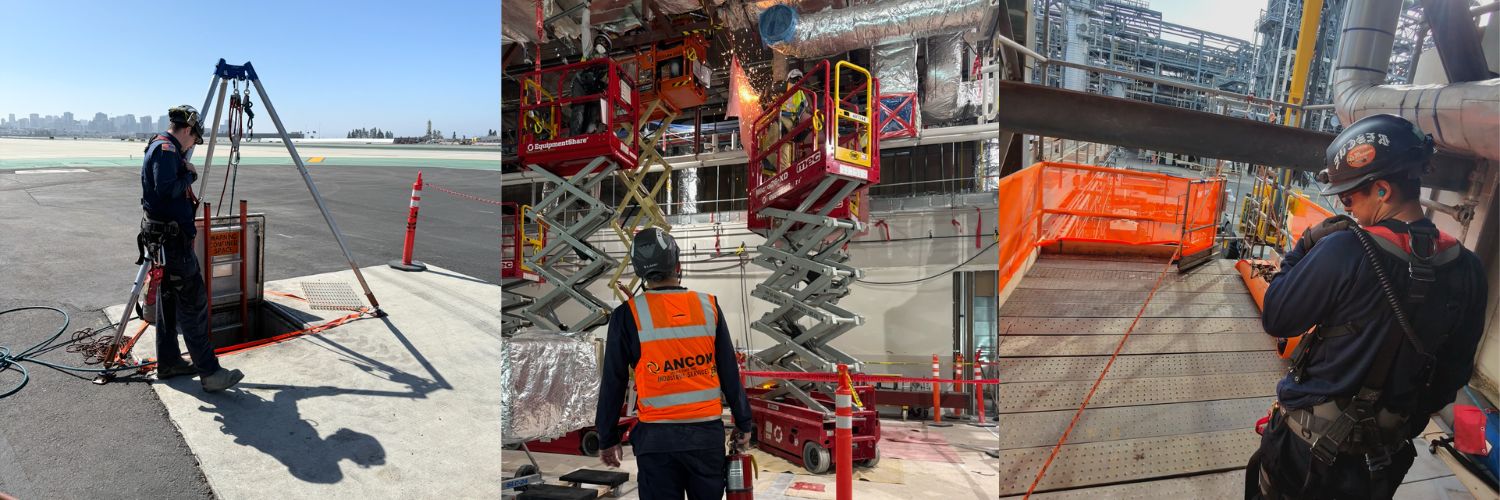
 Rescue solutions include integrated hardware, field training, regulatory protocols, and on-site standby personnel needed to safely extract individuals from life-threatening environments. Organizations deploy these operational systems across industrial, wilderness, and tactical domains to maintain safety compliance and reduce life-safety risks during complex emergencies.
What Are Rescue Solutions?
Rescue solutions are integrated disaster-response frameworks designed to remove individuals from immediate danger. They combine specialized hardware, structured tactical training, compliance protocols, and trained emergency personnel.
Industrial sites, municipalities, and hazardous worksites rely on these operational systems to manage unpredictable hazards. Rather than depending on basic first-aid responses, formal rescue frameworks establish strict emergency intervention procedures before high-risk work begins.
These emergency systems operate under strict regulatory standards. Agencies like OSHA, NFPA, and ANSI mandate distinct operational guidelines for hazardous work. Implementing compliant response strategies prevents workplace fatalities, lowers organizational liability, and protects response personnel during critical incidents.
Primary Categories of Rescue Operations
Different operational environments present distinct physical hazards. Field experts divide technical rescue operations into four main categories.
1. Confined Space & Trench Rescue
Permit-required confined spaces, such as storage tanks, sewer vaults, and silos, present severe atmospheric hazards and access constraints. Trench rescues involve unstable soil collapses requiring immediate structural shoring.
Key operational components include:
- Continuous atmospheric testing using multi-gas monitors.
- Non-entry retrieval systems, including tripod winches and self-retracting lifelines (SRLs).
- Pneumatic shoring struts to stabilize collapsing soil walls.
- Positive-pressure supplied air respirators (SARs) or self-contained breathing apparatuses (SCBA).
2. High-Angle & Rope Access Rescue
High-angle scenarios occur on elevated infrastructure such as wind turbines, communications towers, transmission lines, and industrial scaffolding. Rescuers work on steep angles exceeding 45 degrees, where rope systems bear the full weight of technicians and victims.
Key operational components include:
- Static low-stretch kernmantle life-safety ropes.
- Mechanical advantage pulley systems (3:1 or 5:1 friction configurations) for hauling heavy loads.
- Dual-capacity descending devices and automatic belay systems.
- Full-body industrial harnesses equipped with rigid suspension seats.
3. Swiftwater & Floodwater Operations
Moving water poses dynamic forces that quickly overwhelm unprepared response teams. Rescuers operate in rivers, flooded urban centers, and storm runoff channels.
Key operational components include:
- High-buoyancy Type V personal flotation devices (PFDs) fitted with quick-release harnesses.
- Water-rescue helmets with integrated drainage ports.
- Throw bags loaded with floating polypropylene ropes.
- Inflatable rescue boats (IRBs) built with reinforced hull materials.
4. HAZMAT & Tactical Urban Search and Rescue (USAR)
Disaster zones involving hazardous materials or collapsed infrastructure demand specialized extraction setups. USAR teams locate and clear victims trapped under masonry, concrete, and toxic debris fields following earthquakes or industrial explosions.
Key operational components include:
- Level A chemical protective suits featuring fully encapsulated air supplies.
- Heavy hydraulic rescue tools (spreaders, cutters, and ram systems).
- Acoustic and optical search cameras engineered to detect trapped survivors under rubble.
- Decontamination corridors built for field triage.
The Three Pillars of Industrial Rescue Operations
Every effective life-safety framework rests on three interdependent operational pillars. Omitting any single pillar jeopardizes response speed and compromises site safety.
Pillar 1: Specialized Technical Equipment
Hardware serves as the direct physical interface between rescuers and victims. All gear must maintain clear safety factors and meet rigid certification guidelines like ANSI Z359 and NFPA 1983. Inspect equipment before every shift to identify mechanical wear or stress fractures.
Pillar 2: Hands-On Certified Training
Hardware alone cannot save lives without skilled technicians. Standard training progressions follow three clear competency levels:
- Awareness Level: Teaches personnel to recognize field hazards, secure borders, and call specialized services.
- Operations Level: Trains personnel to manage non-entry extractions and support technical team operations.
- Technician Level: Authorizes specialists to enter dangerous environments, manage complex rope systems, and complete high-risk extractions.
Pillar 3: On-Site Standby Rescue Services
High-hazard industrial projects often require dedicated, third-party standby crews. Relying solely on local municipal emergency services can introduce critical response delays. Dedicated standby teams remain on-site during critical shifts, maintaining pre-rigged gear setups and pre-engineered extraction plans ready for immediate deployment.
Selecting the Right Solution by Hazard Environment
Confined Space
- Primary Risk Factors: Toxic atmospheres, engulfment, spatial entrapment
- Essential Hardware: Tripods, gas monitors, retrieval winches, SCBA
- Key Training Standard: OSHA 1910.146 / NFPA 1006
- Typical Personnel Requirement: 3-4-person standby team
High-Angle / Tower
- Primary Risk Factors: Falls from height, suspension trauma, weather exposure
- Essential Hardware: Static ropes, belay devices, rescue litters, mechanical pulleys
- Key Training Standard: ANSI Z359.14 / SPRAT / IRATA
- Typical Personnel Requirement: 2-3 Rope Access Technicians
Trench & Excavation
- Primary Risk Factors: Cave-ins, soil collapse, water accumulation
- Essential Hardware: Hydraulic shores, trench shields, egress ladders
- Key Training Standard: OSHA 1926 Subpart P
- Typical Personnel Requirement: USAR Trench Specialist Unit
Swiftwater / Marine
- Primary Risk Factors: Entanglement, swift currents, cold-water hypothermia
- Essential Hardware: Type V PFDs, throw bags, rescue board, inflatable craft
- Key Training Standard: NFPA 1670 Swiftwater
- Typical Personnel Requirement: Certified Water Rescue Crew
Key Regulatory Frameworks and Compliance Standards
Regulatory authorities hold site operators accountable for workplace safety. Staying compliant means adhering strictly to national safety codes:
- OSHA 29 CFR 1910.146 (Permit-Required Confined Spaces): Requires employers to establish rapid extraction procedures and maintain functional, pre-tested retrieval gear for hazardous entries.
- NFPA 1006 (Standard for Technical Rescuer Professional Qualifications): Outlines clear performance objectives for technicians operating in high-angle, trench, structural collapse, and aquatic environments.
- NFPA 1670 (Standard on Operations and Training for Technical Search and Rescue Incidents): Establishes organizational frameworks for conducting safe technical rescue missions.
- ANSI Z359 Fall Protection Code: Defines manufacturing and operational standards for fall arrest systems, harnesses, and descent hardware.
DCS Rescue Protects Your Operations and Compliance
Navigating the complexities of high-risk job sites requires more than just meeting minimum safety mandates. It demands an experienced partner who can execute life-safety operations flawlessly. DCS Rescue delivers turnkey technical rescue and compliance solutions that safeguard your personnel while shielding your business from costly regulatory liabilities. By providing fully equipped, OSHA-certified standby rescue teams, EHS safety professionals, and certified attendant safety watches, DCS Rescue eliminates the high overhead of maintaining an internal technical team.
Whether your project involves complex permit-required confined spaces or high-angle rope access, contact DCS Rescue today to supply the specialized hardware, pre-engineered extraction plans, and rapid-intervention personnel needed to maintain total compliance and protect your most valuable asset: your workforce.